 Metal Spinning
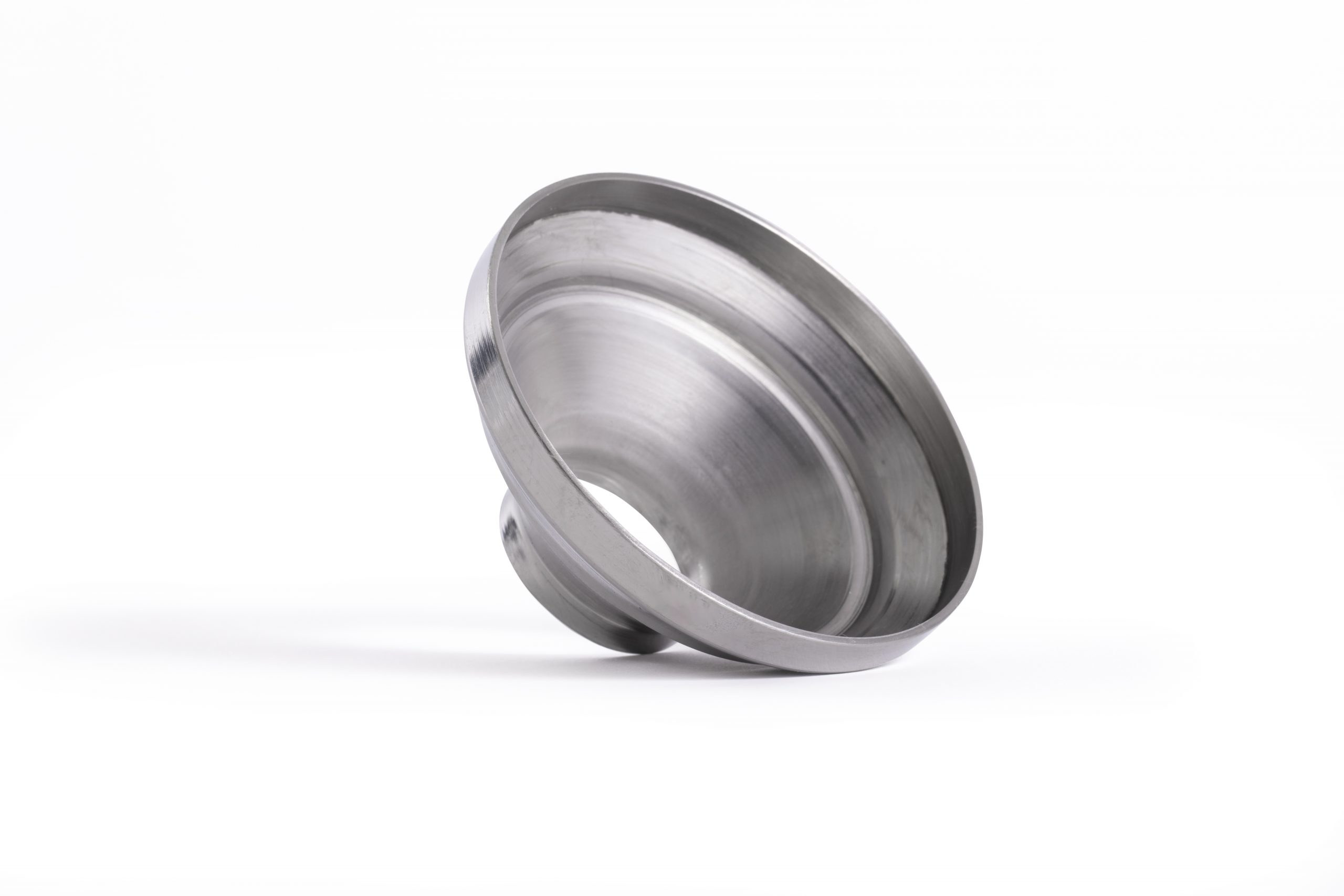 Bespoke Metal Spinning
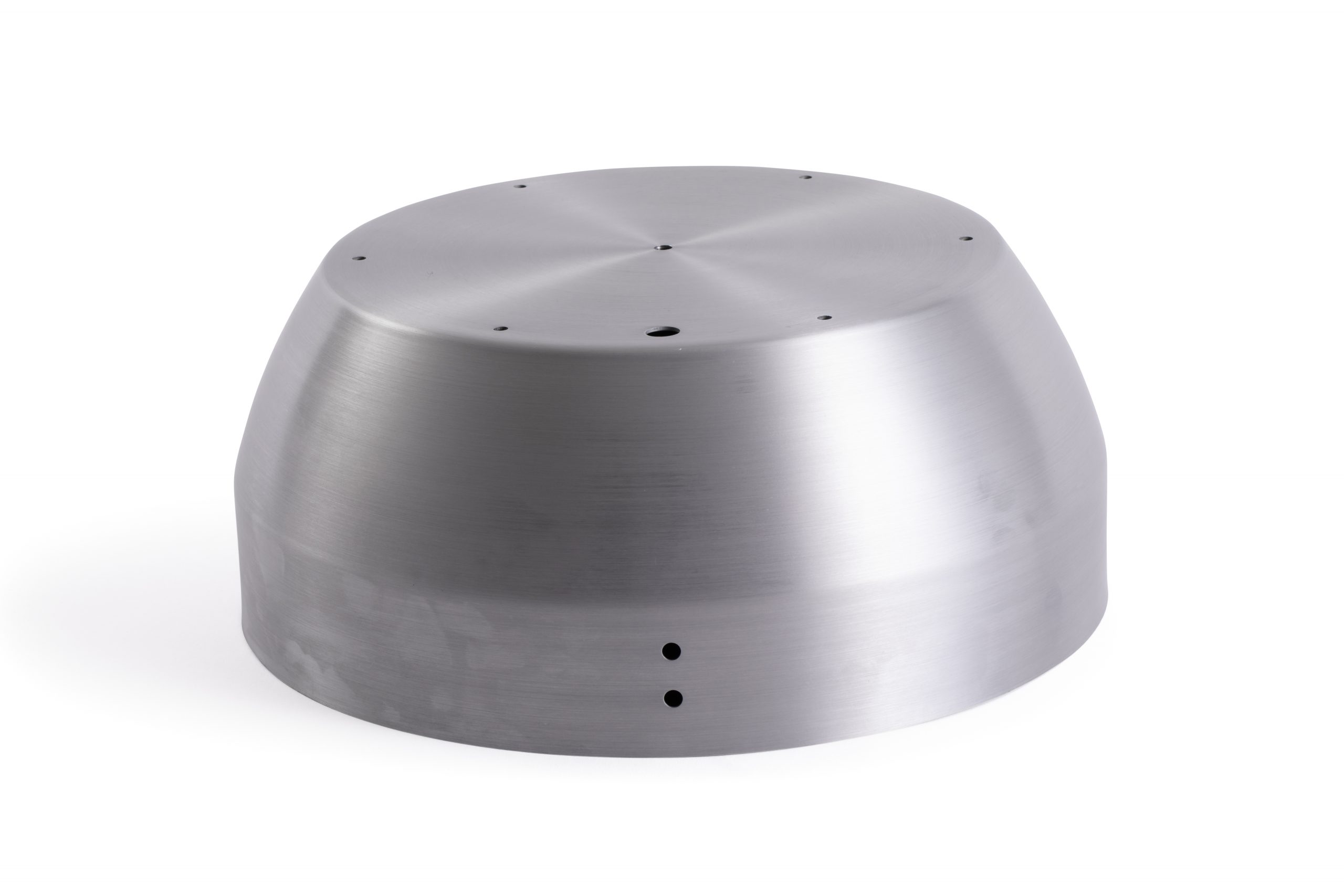 Metal Polishing
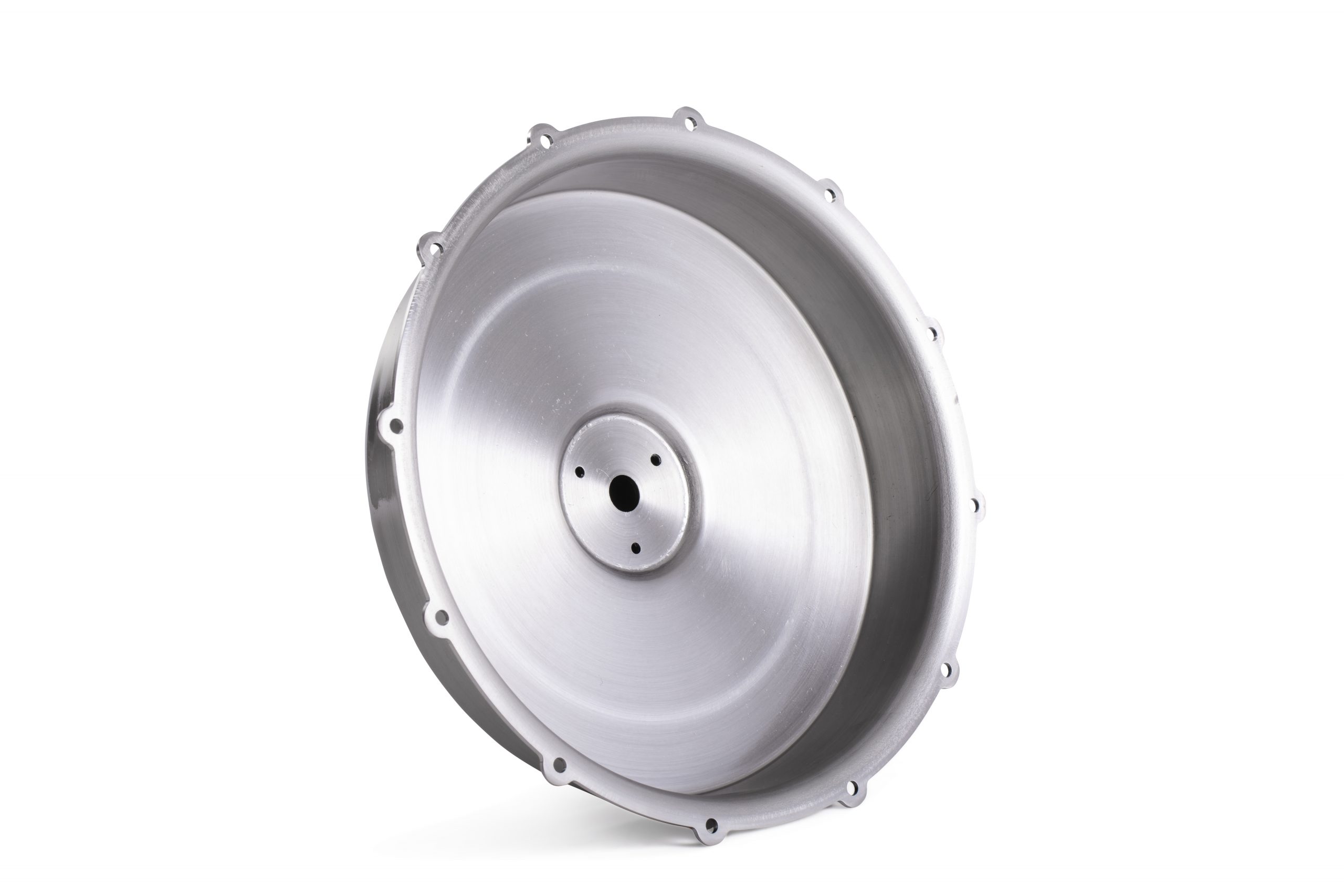 Machining
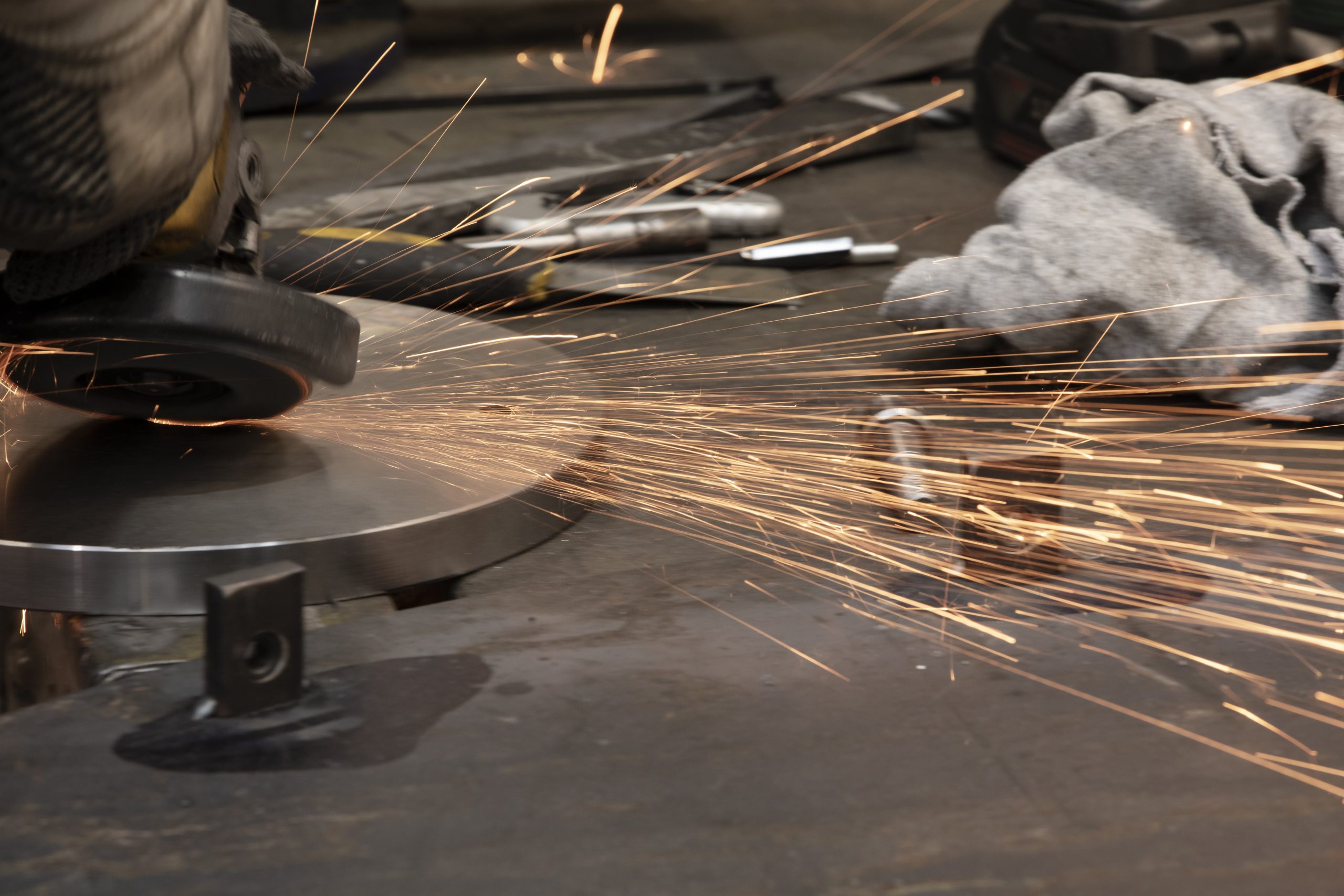 Metal Pressing
 Metal Swaging
 Metal Fabrication & Welding
 Precision Engineering
 Laser Cutting
 Inspection and Quality
 Anodising, Electropolishing and Pickling & Passivating
 Agriculture
 Automotive
 Air Movement
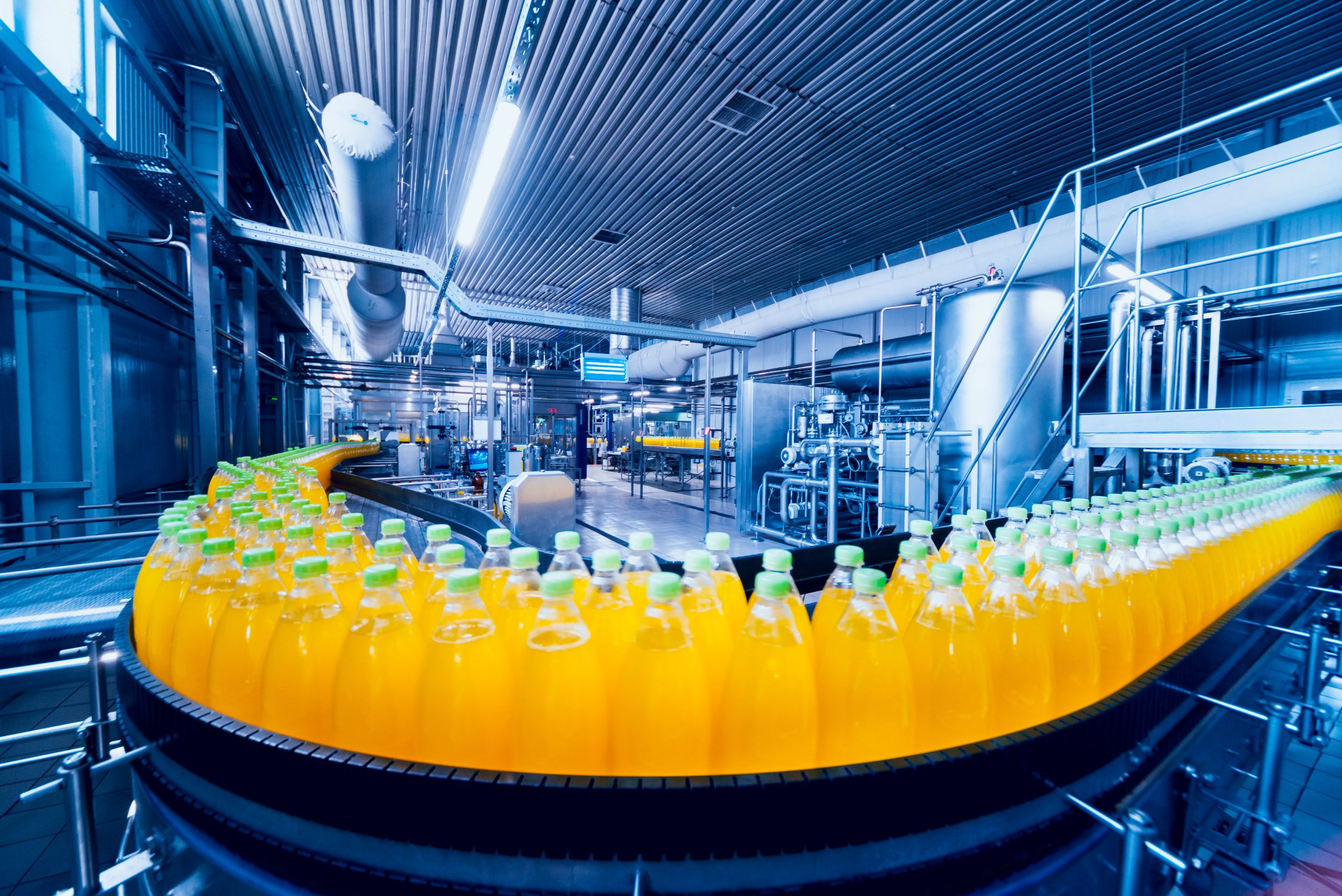 Food Industry
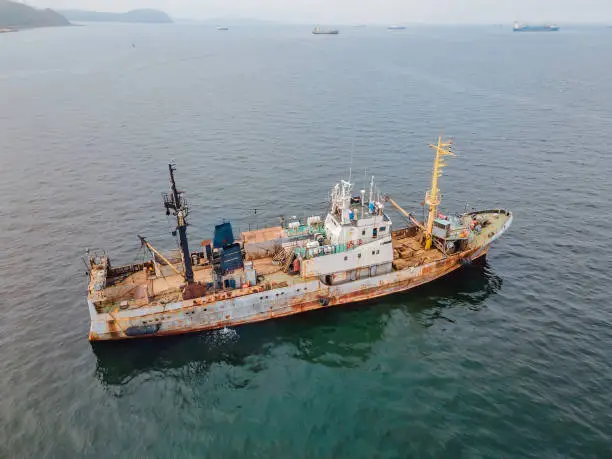 Marine
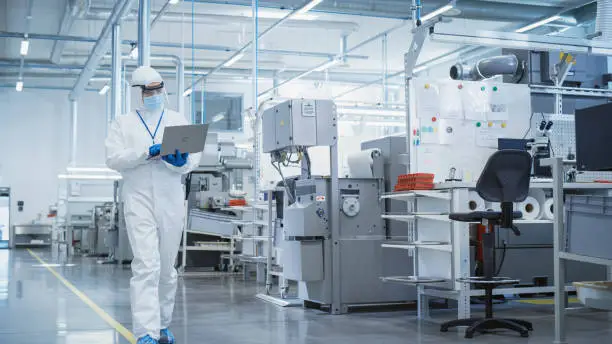 Medical and Cryogenic
 Playground
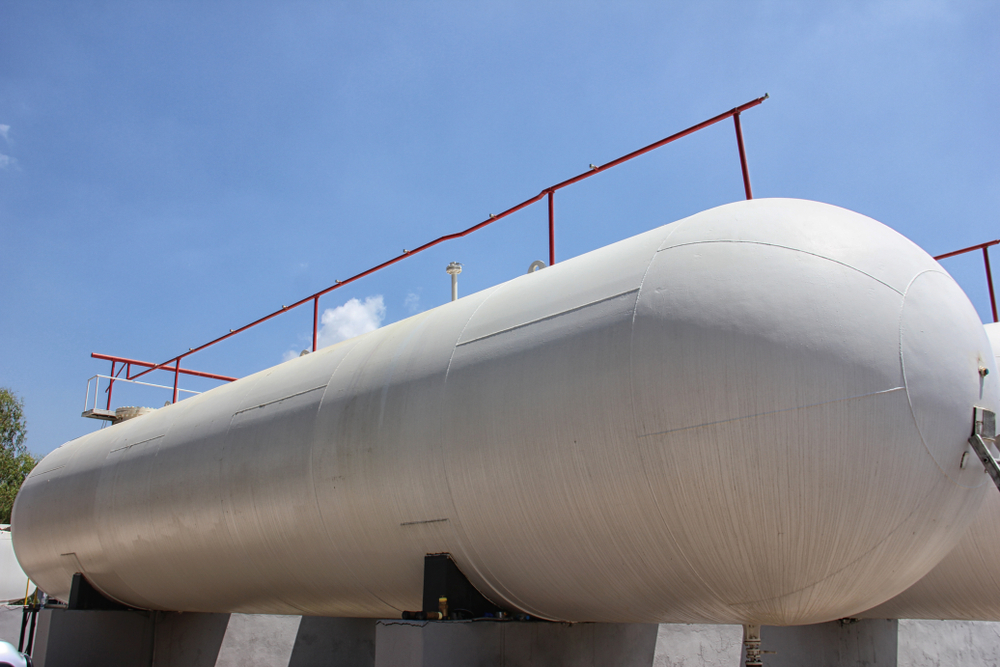 Pressure Vessels
 Renewable Energy
 Safety
Why Choose Bespoke Metal Spinning Over Standard Fabrication for Your Project
< Blogs < Why Choose Bespoke Metal Spinning Over Standard Fabrication for Your Project
In the world of metal manufacturing, selecting the right forming process can make a significant difference to the success of your project. When precision, efficiency, and adaptability are essential, bespoke metal spinning stands out as a superior alternative to standard fabrication methods such as stamping, welding, or machining from solid blocks. At Tanfield Metal Spinners, a leading UK specialist with over 40 years of experience, we have helped countless clients across industries achieve better results through this versatile technique.
Find out why bespoke metal spinning often outperforms conventional approaches, with a particular focus on its unmatched flexibility, impressive cost efficiency, and extensive material options. Whether you are developing prototypes, producing custom components, or scaling up production, understanding these advantages can help you make an informed decision for your next project.
What Is Metal Spinning and How Does It Differ from Standard Fabrication?
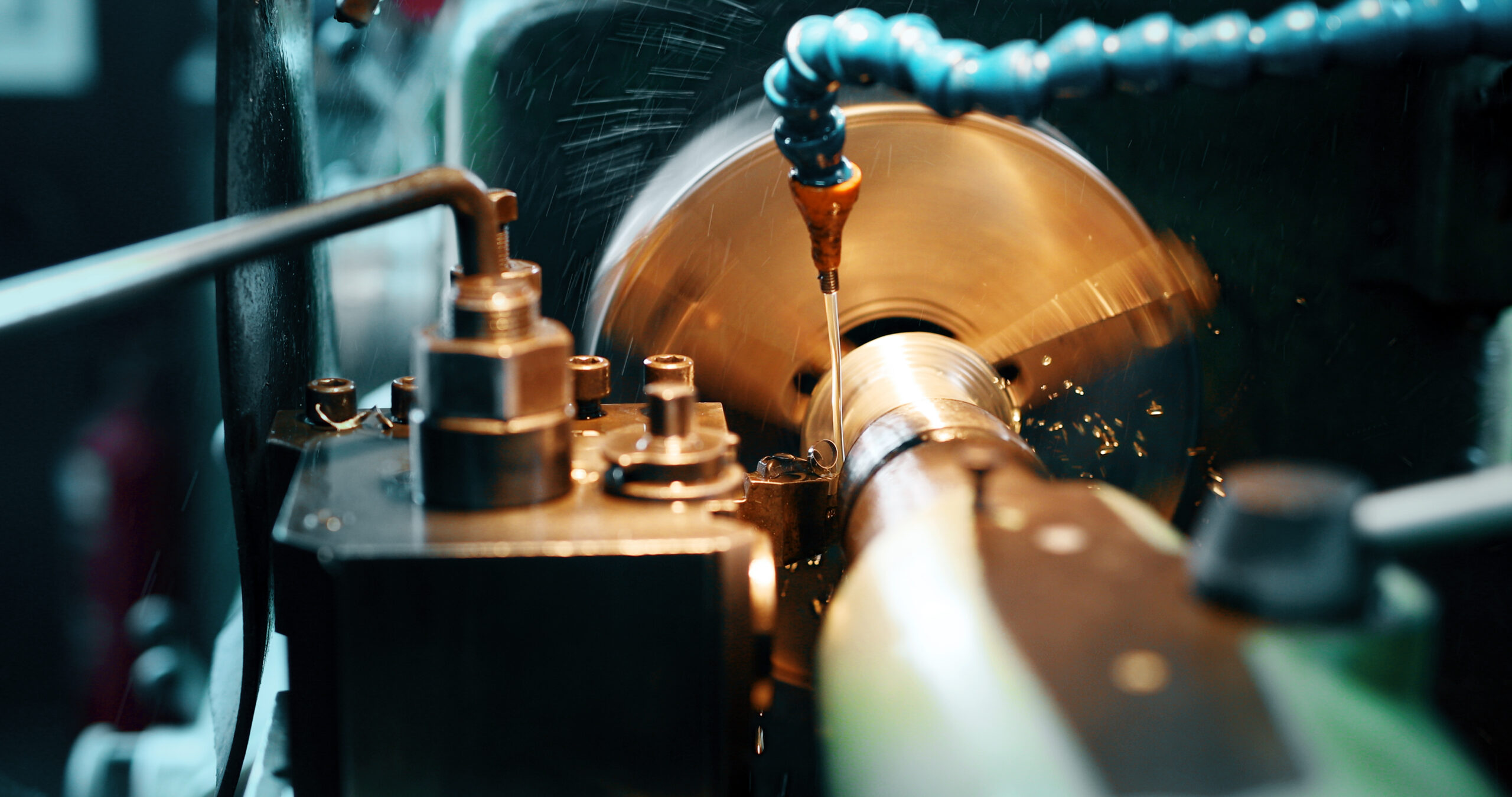
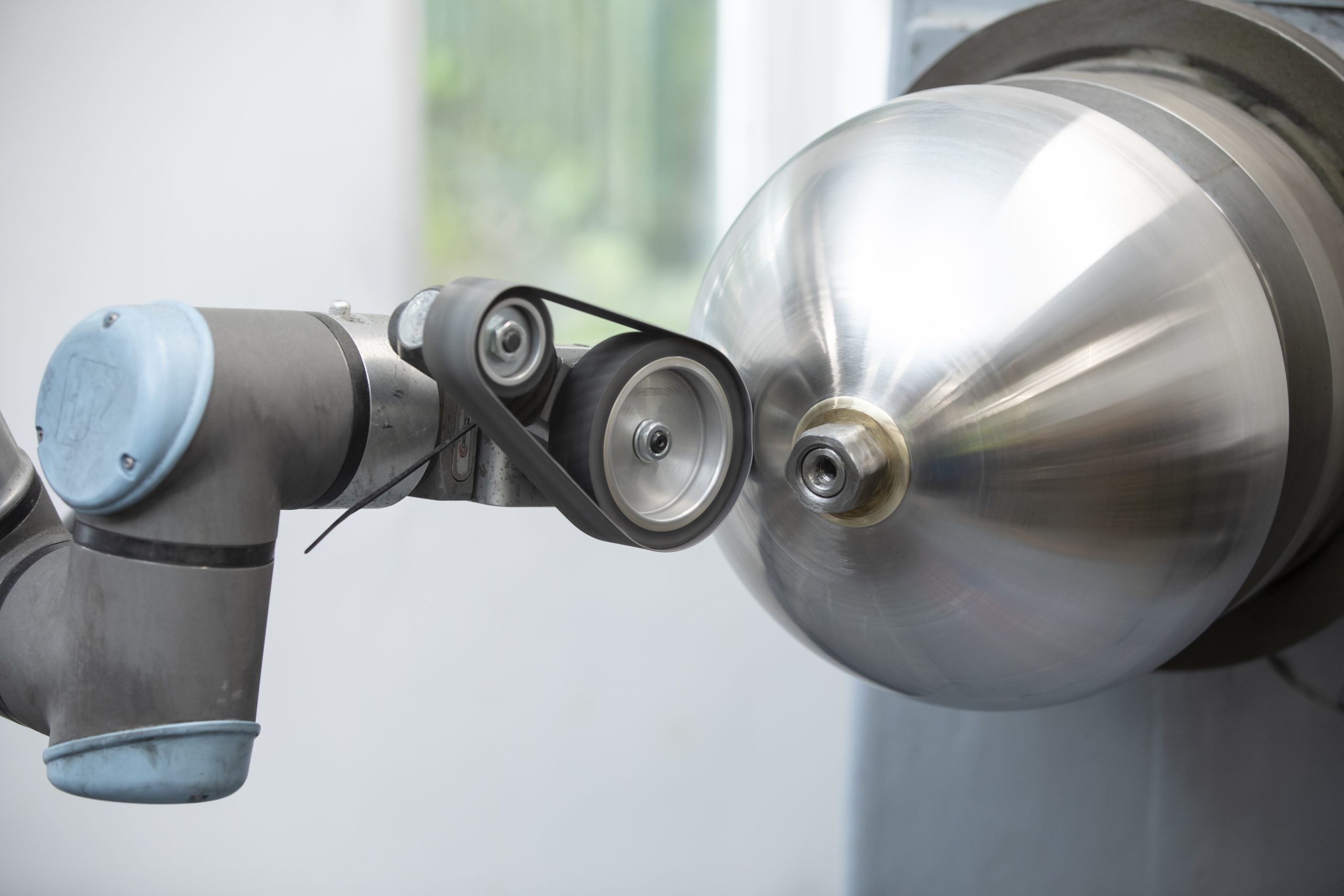
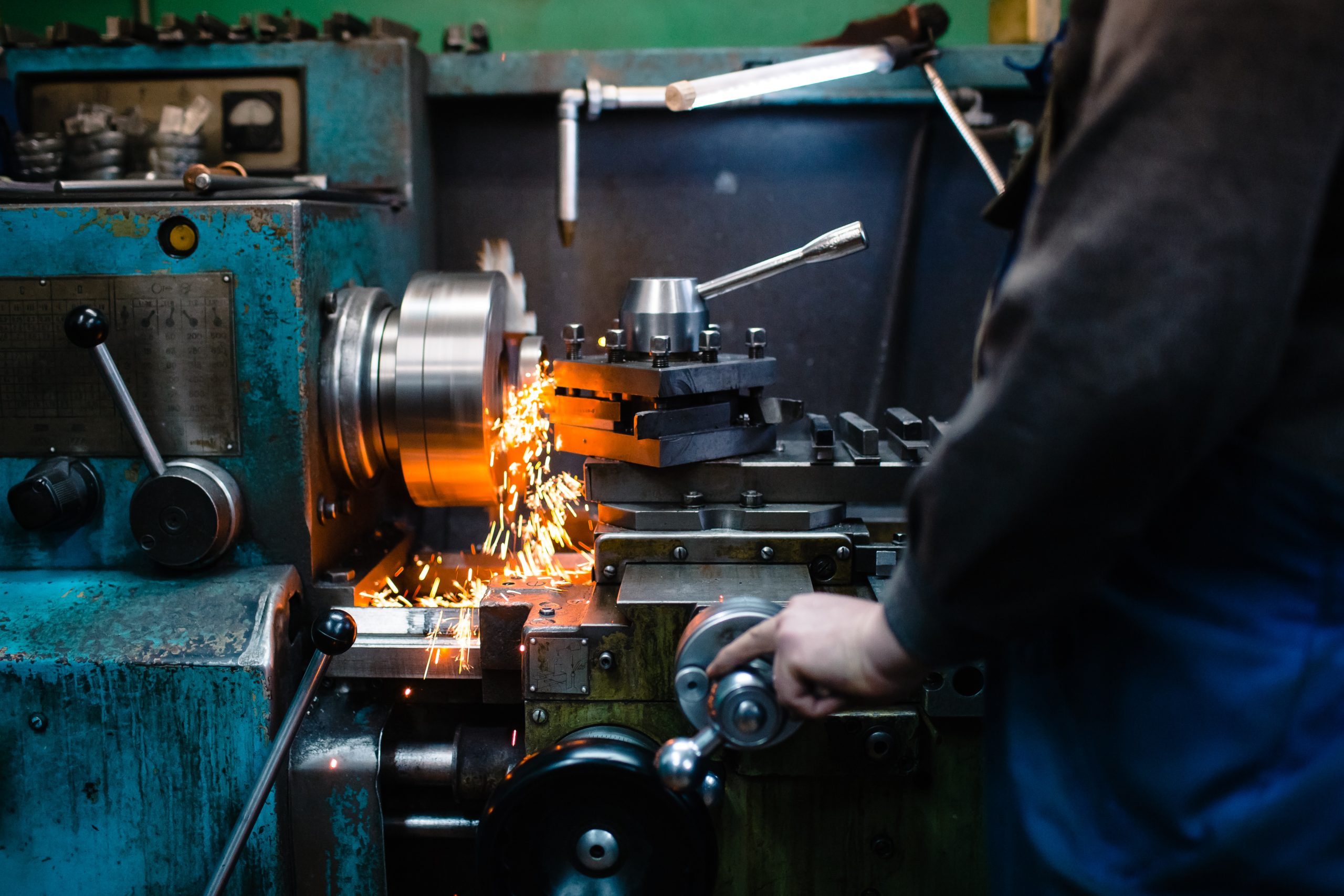
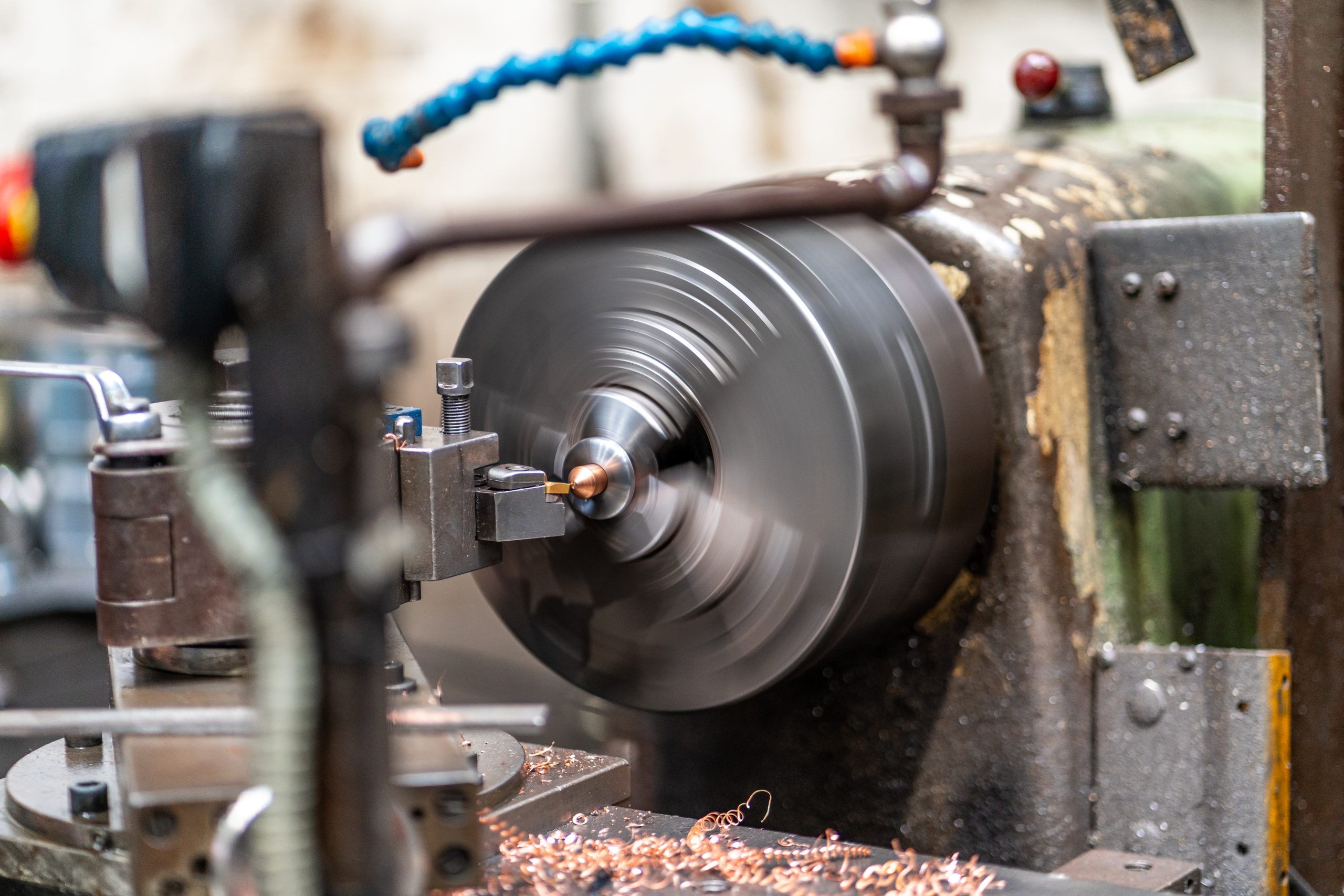
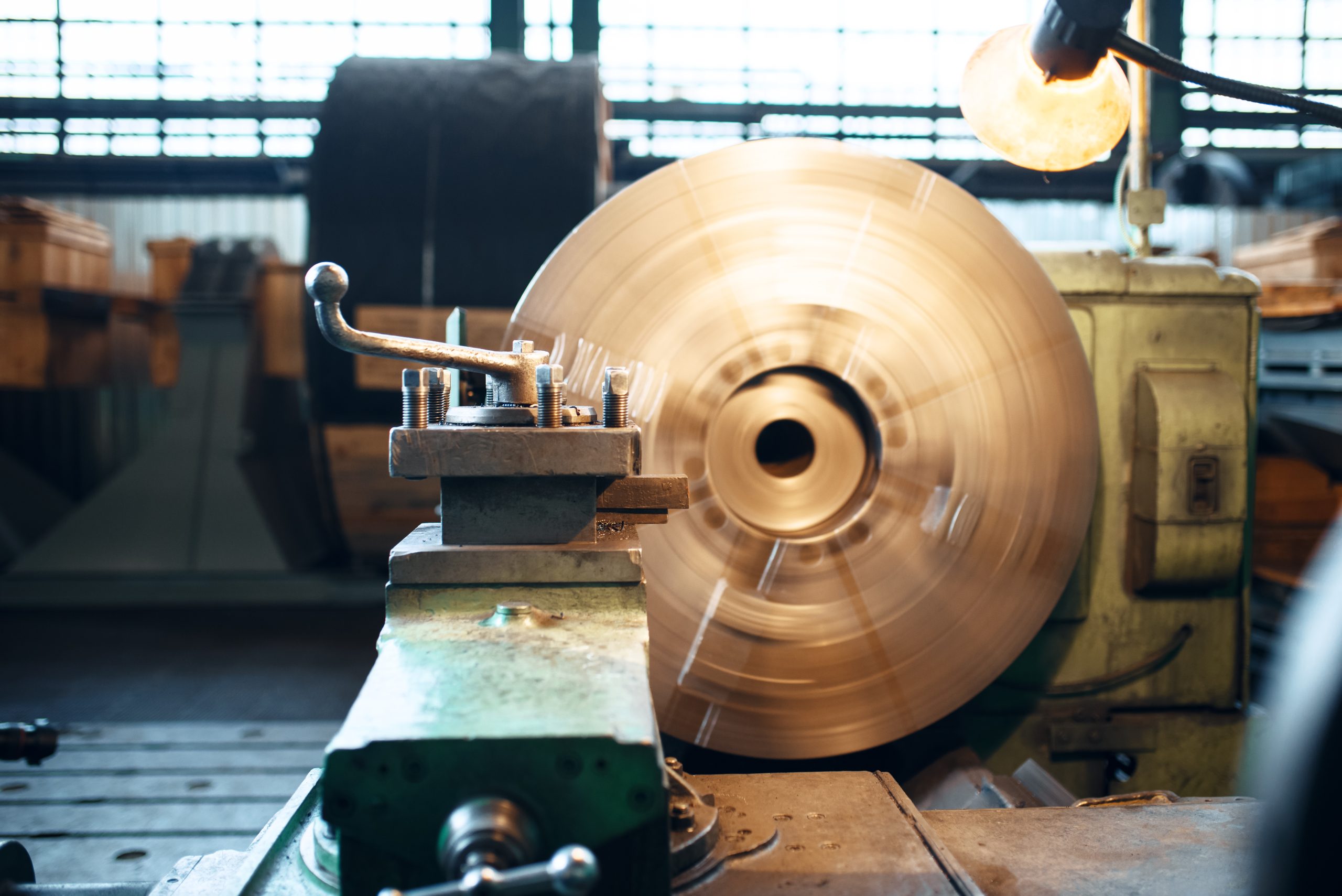
Metal spinning, also known as spin forming, is a metalworking process where a flat circular blank or disc of sheet metal is rotated at high speed on a lathe. A specialised tool, typically a roller, applies controlled pressure to gradually shape the material over a mandrel (a die that defines the final form). The result is a seamless, axially symmetric component such as cones, hemispheres, cylinders, flat flanged ends, dished ends, or complex custom profiles.
Unlike standard fabrication techniques, which often involve cutting, welding multiple pieces together, or removing large amounts of material through machining, metal spinning is a forming process that preserves the material’s integrity. It starts with a single blank and reshapes it without generating excessive waste. This fundamental difference leads to several key benefits, especially when the work is bespoke and tailored to unique specifications.
Standard fabrication methods excel in certain scenarios, such as producing flat or angular parts in high volumes. However, they frequently require expensive tooling, multiple stages of assembly, and post-processing to achieve smooth finishes or complex curves. Bespoke metal spinning, by contrast, delivers near-net-shape results with minimal additional work, making it particularly suitable for prototypes, low-to-medium runs, and intricate rounded geometries.
Unmatched Flexibility in Design and Production
One of the strongest arguments for choosing bespoke metal spinning is its exceptional flexibility. The process accommodates a wide variety of shapes and sizes, from simple cylindrical vessels to sophisticated parabolic or toroidal forms. Because it relies on a mandrel rather than fixed dies, design modifications can be implemented quickly and economically.
For instance, if your project evolves during development, adjustments to dimensions, wall thickness, or profile can often be made by refining the mandrel or altering tool paths, without the need for entirely new tooling sets. This agility is invaluable for engineers working on prototypes or custom solutions in sectors such as aerospace, automotive, lighting, and architectural metalwork.
Tanfield Metal Spinners combines advanced CNC spinning technology with traditional craftsmanship, enabling rapid adaptation to client requirements. Our extensive in-house tooling library, one of the largest in the United Kingdom, further enhances this flexibility. We can spin parts up to 2.4 metres in diameter and 8mm thick stainless, 12mm mild steel and 14mm Aluminium. We partner with international specialists for even larger requirements. This capability allows us to handle both one-off bespoke pieces and scalable production runs without compromising quality or lead times.
In comparison, standard fabrication often demands rigid setups. Changing a design in stamping or pressing can involve costly new dies, while welding assemblies may require redesigning joints and fixtures. The inherent adaptability of bespoke metal spinning reduces development cycles and supports innovation, giving your project a competitive edge.
Superior Cost Efficiency for Most Applications
Cost efficiency is another compelling reason to opt for bespoke metal spinning over standard fabrication. The process requires significantly less upfront investment in tooling. Mandrels are generally far cheaper to produce than the complex dies needed for stamping or deep drawing, often costing a fraction of the price.
Material utilisation is also excellent. Metal spinning minimises waste by forming the blank into the desired shape rather than subtracting material. This is particularly advantageous when working with more expensive alloys. The smooth surface finish achieved during spinning frequently eliminates or reduces the need for secondary machining, polishing, or finishing operations, further lowering overall costs.
For low-to-medium volume production or prototypes, the economics are especially favourable. Standard fabrication methods can become prohibitively expensive for small batches due to high setup costs and labour-intensive assembly. Bespoke metal spinning offers short lead times, with small runs producible in days or weeks, and maintains consistent quality across batches.
At Tanfield Metal Spinners, our ISO 9001-accredited processes ensure reliable, repeatable results. We also provide complementary services such as laser cutting and polishing, streamlining the supply chain and delivering additional savings. Clients benefit from our focus on efficiency, with many projects achieving substantial reductions in both production time and expenditure compared to traditional fabrication routes.
Wide Range of Material Options
Material options represent a further area where bespoke metal spinning excels. The process works effectively with a broad spectrum of ductile metals, including:
- Aluminium and its alloys (lightweight and corrosion-resistant)
- Stainless steel (durable and suitable for demanding environments)
- Mild steel and carbon steels
- Copper and brass (excellent conductivity and aesthetics)
- High-performance alloys such as Inconel or titanium for specialised applications
The rotational forming action work-hardens the material, often improving its strength and mechanical properties without additional heat treatment. This allows designers to use thinner gauges while maintaining structural integrity, which reduces weight and material costs.
Standard fabrication methods may limit material choices due to weldability issues, heat-affected zones, or the challenges of forming certain alloys. Metal spinning, however, handles many difficult-to-form materials with relative ease, expanding the possibilities for your project.
Tanfield Metal Spinners has decades of expertise in spinning diverse materials to tight tolerances. Our knowledge ensures the optimal selection for strength, finish, and performance, whether your application demands corrosion resistance, thermal stability, or high strength-to-weight ratios.
Additional Benefits of Choosing Bespoke Metal Spinning
Beyond the core advantages of flexibility, cost efficiency, and material options, bespoke metal spinning provides other practical benefits. The seamless construction eliminates weak points such as welds, enhancing durability and reliability in pressure vessels, tanks, and structural components. The process is also more environmentally friendly, with lower energy consumption and reduced scrap compared to subtractive methods.
Industries including automotive, aerospace, industrial equipment, and architectural design frequently turn to bespoke metal spinning for these reasons. From dished ends and cones to custom reflectors and housings, the technique delivers precision-engineered parts that meet exacting standards.
Conclusion
When your project requires custom, high-quality metal components, bespoke metal spinning offers clear advantages over standard fabrication. Its superior flexibility allows rapid design iteration, while its cost efficiency makes it ideal for prototypes through to medium production volumes. The extensive material options ensure you can achieve the desired performance characteristics without compromise.
At Tanfield Metal Spinners, we combine cutting-edge technology, vast tooling resources, and proven expertise to deliver exceptional results. Founded in 1984 and continuously investing in our capabilities, we are positioned to support your project from initial concept through to final delivery.
If you are considering your next metal forming solution, contact Tanfield Metal Spinners today. Our team is ready to discuss how bespoke metal spinning can optimise your project, reduce costs, and enhance quality. Let us help you spin your ideas into reality.